Out Of The Blue Marines
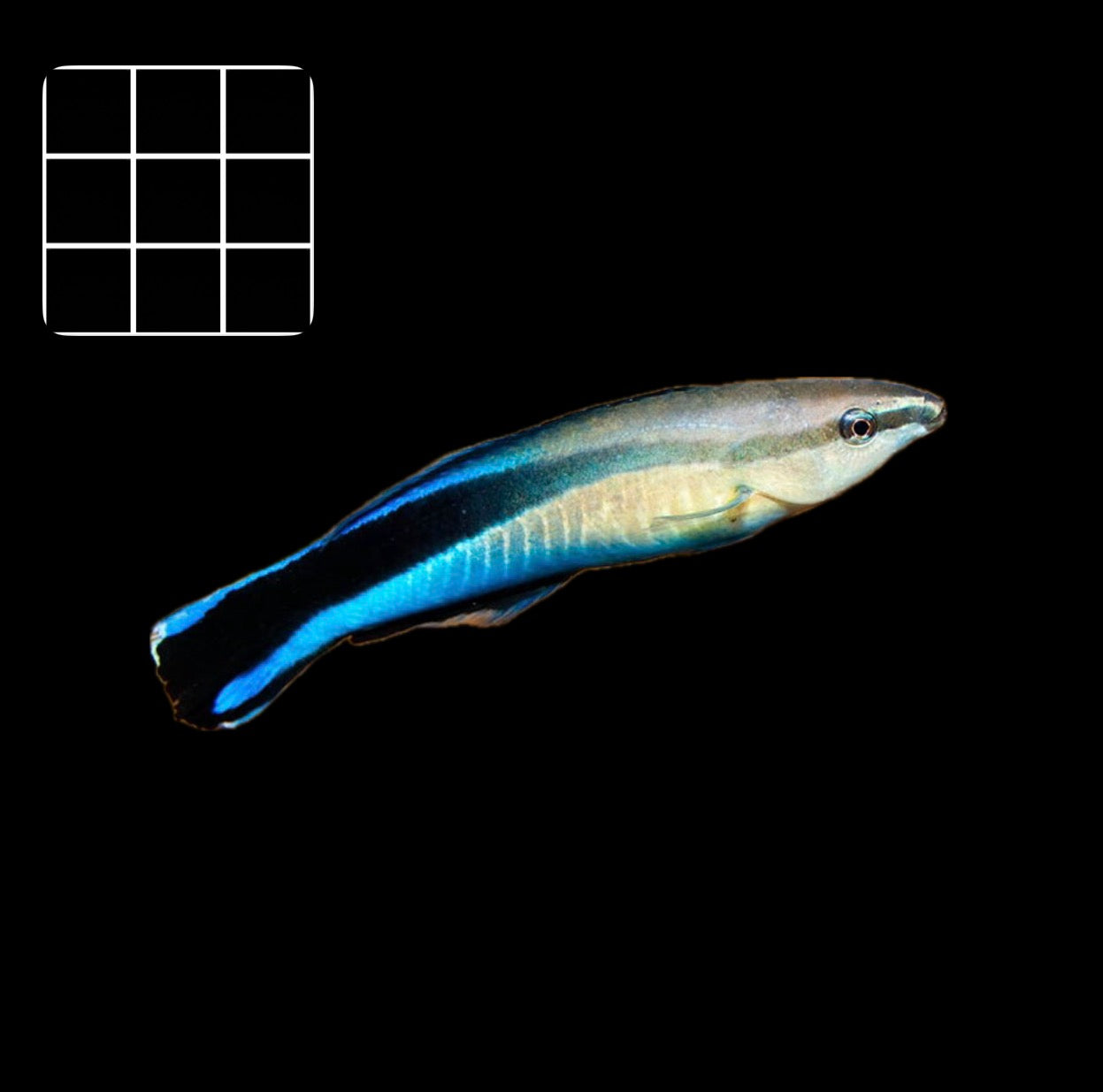
Cleaner Wrasse (Labroides dimidiatus)
Cleaner Wrasse (Labroides dimidiatus)
Couldn't load pickup availability
The Bluestreak Cleaner Wrasse (Labroides dimidiatus) is one of the most iconic marine fish species in the aquarium trade, known for its fascinating symbiotic cleaning behaviour — where it removes parasites and dead skin from other fish in a mutualistic relationship that helps keep clients healthy.
Description:
This species has a slender, ribbon-like body with a striking lateral stripe and contrasting colours that make it both beautiful and functional in reef environments. Cleaner wrasses frequently establish “cleaning stations” in reef systems where other fish will line up to be groomed.
Key Features:
- Cleaning behaviour: Actively removes parasites and dead tissue from other fish, offering a unique ecological interaction rarely seen in captive systems.
- Temperament: Generally peaceful and social, interacting with tankmates rather than being aggressive.
- Reef Compatibility: Considered reef-safe, though dietary and environmental needs make long-term reef keeping challenging.
- Size: Typically grows to around 10–14 cm (4–5.5 in).
- Behaviour: Active swimmer that appreciates plenty of rockwork and hiding places, and a tight-fitting lid to prevent jumping.
Care Level:
Difficult to Advanced. Cleaner wrasses are notorious for being challenging in home aquariums because they often rely on their natural cleaning diet and can struggle to transition to prepared foods. Many hobbyists find they do best in well-established tanks with a wide variety of fish and lots of live prey such as copepods and amphipods.
Diet:
Obligate carnivore — in the wild they feed primarily on ectoparasites and mucus from other fish. In captivity they may accept enriched frozen mysis, brine shrimp, live copepods, and similar small meaty foods, but feeding acceptance varies by individual.
Share